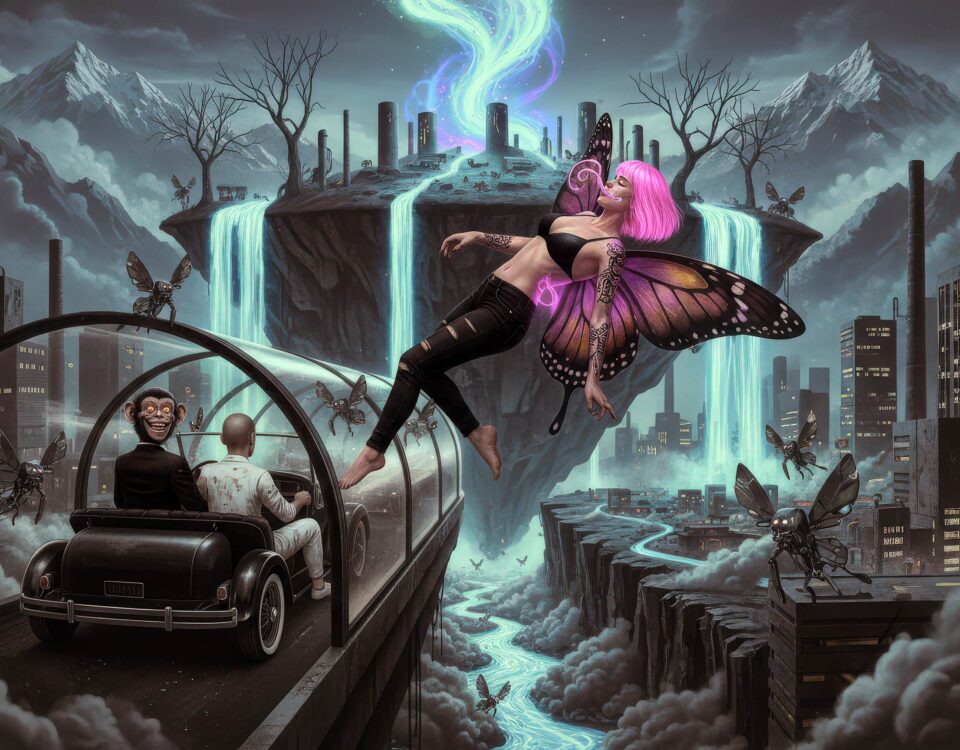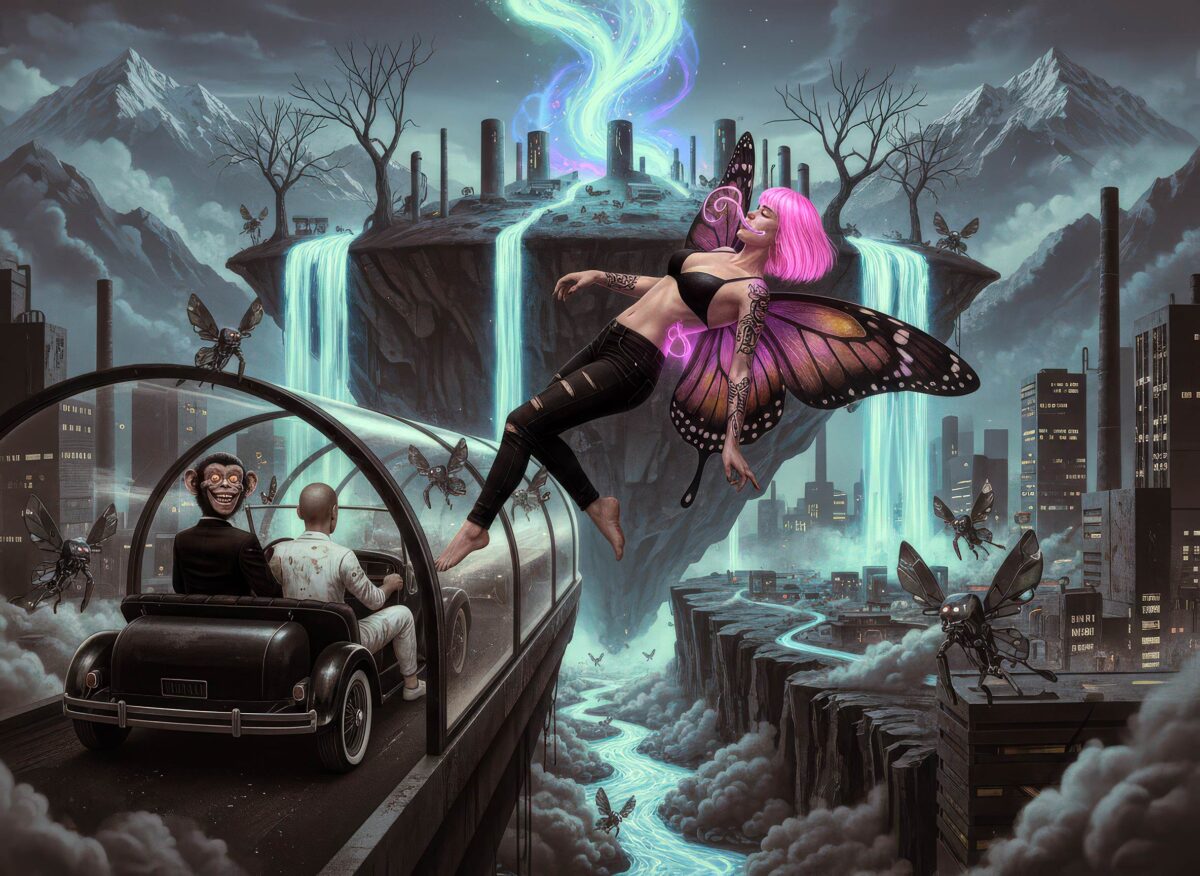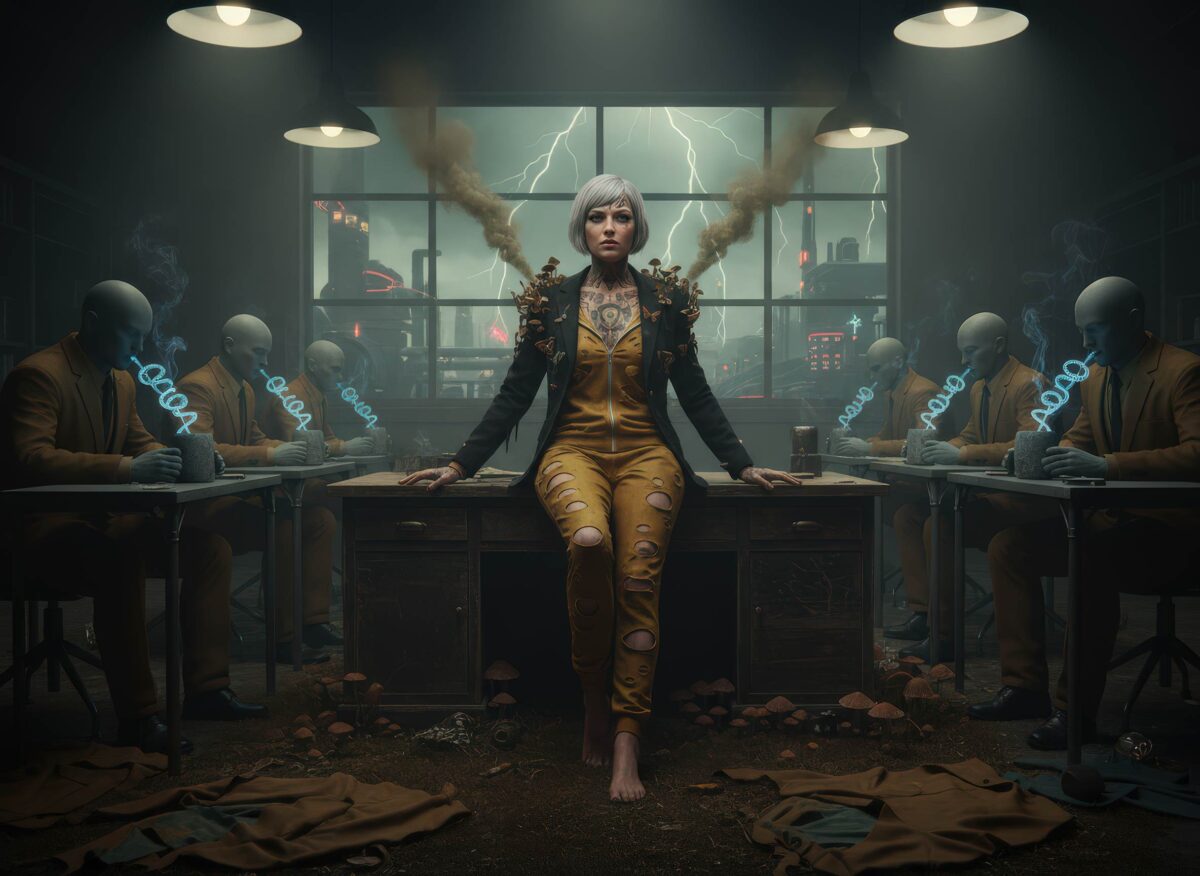


The Epic Flight of The Colossal Flying Machine
March 6, 2026
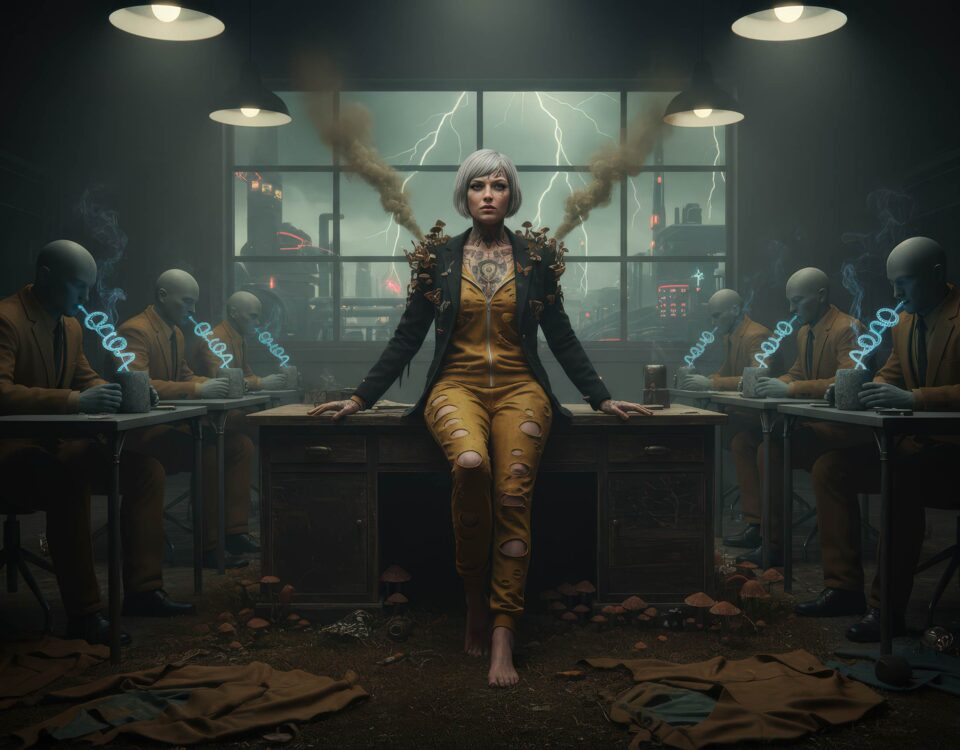
The Butterfly Who Nearly Never Was
March 10, 2026
Addiction news
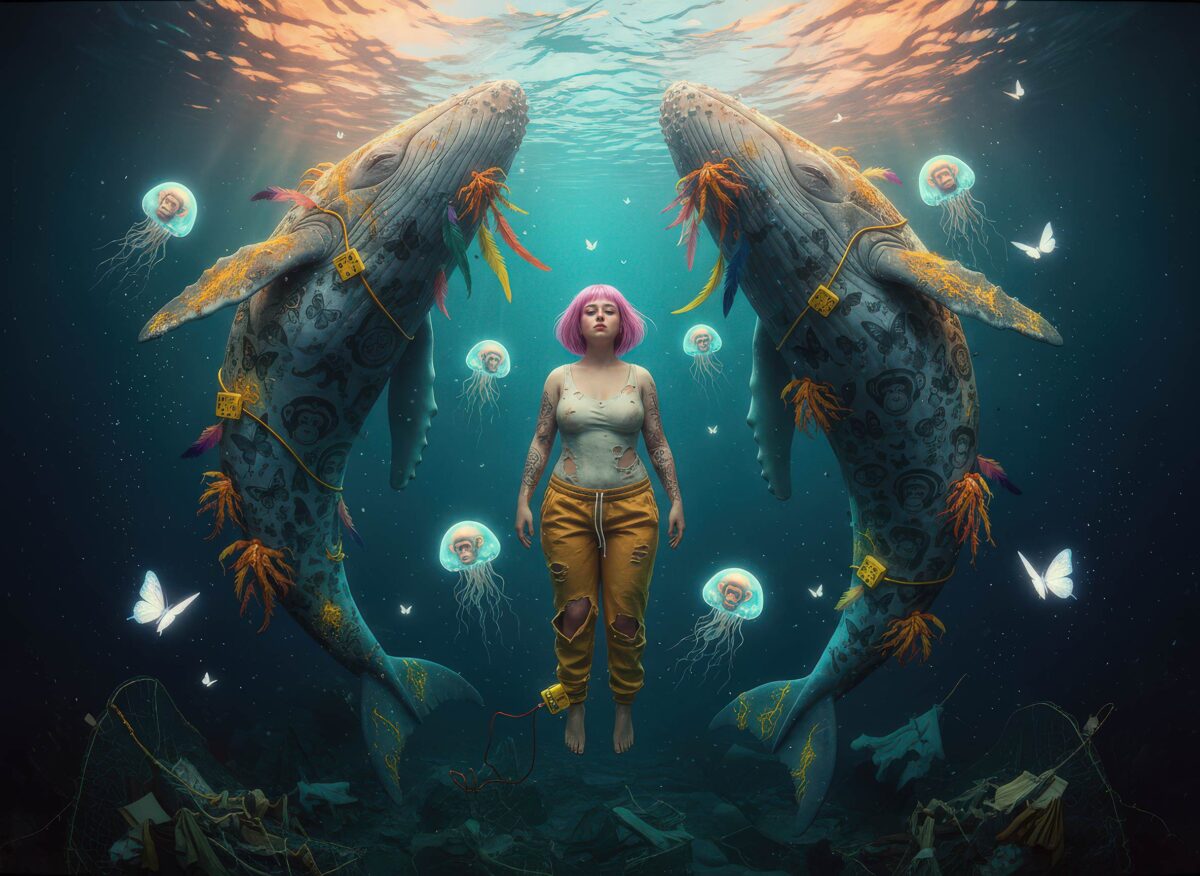
Meanwhile she takes a ‘surreal plunge’ into the Medsea from her lilo whilst on holiday and encounters a pod of sleeping whales...
The Tale Of The Sleeping Whale Pod

Russell Trotter Steedman
11:30 GMT Friday, 6 March 2026
I
n The Sleeping Whale Pod, the sixth story from The Monkey In The Tunnel: 10 Stories About Active Addiction, the character Longsleeper Luna takes two simultaneous trips. The first is a real meeting with Doctor Matteo the colleague of Doctor Filippa who is one of the book’s main protagonists. This Doctor shares the approach of the other doctor with some differences. Meanwhile she takes a ‘surreal plunge’ into the Medsea from her lilo whilst on holiday and encounters a pod of sleeping whales who, like Luna who is addicted to plastic fast food are being forced to live on a diet of toxic junk which is being continually pumped into the sea from The Fabrik Zone above.
Since the stories in the book all overlap with one another the description of ‘plastic food’ combines with the notion of butterfly and moth larva eating fake fur in Story 7: The Butterfly Who Nearly Never Was.
In general The Monkey In The Tunnel, as well as the series itself called Tales From The Fabrik Zone, focusses on the theme of addiction as a ‘False Comfort’.
Usually, in simple terms, addictive behaviours –or perhaps ‘ingestions’ as the case of then is in practice - are simply a ‘quick route to heaven’ brought about by releasing unnatural amounts of dopamine.
Perhaps this is a ‘too good to be true’ scenario like a dream which is in fact a nightmare in disguise.
A whale finding a large cloud of synthetic plankton or a moth larva, which feeds primarily on animal protein, discovering a fake fur may be in heaven.
Depending in the engineering of the synthetic material itself the brain and body may be simply tricked into finding the source pleasurable and even life-sustaining when, although it may be providing energy and / or entertainment which is releasing very real dopamine, the problem is that this creates a ‘tolerance effect’ whilst robbing the creature - animal or human - of a real and naturally sourced product or a nature-based activity to engage in.
Ultimately addiction is a form of extremity or at least it is the fictional world of The Fabrik Zone where an abstract band of unseen and mainly ‘hinted at’ manager types called The Kontrollers oversee a vast manufacturing empire churning out dubious and often illegal ‘goods’, sometimes referred to as ‘Goodstuffs’.
Luna in the story is a ‘Proto-Politician’ who is something of an idealist.
She goes to visit Doctor Matteo for a session to help her with her over-eating while Doctor Matteo himself is something of a cynic and personally is addicted to meth which he openly admits to.
He tells Luna that, as a Kontroller, once she is voted in she too will become a peddler of plastic filth and narcotics just like they all are so she might as well surrender to this inevitability.
Of course this is part of this doctor’s technique too and designed to cause Luna to consider how and why she would go about influencing and ‘kontrolling’ The Fabrik Zone herself once she is in power.
Therefore, like all of the stories in The Monkey In The Tunnel, the story of Longsleeper Luna and The Sleeping Whale Pod throws up a variety of problems and solutions regarding active addiction, the conundrums faced by addicts wanting to recover and features some interesting and surreal characters with issues of their own.

Russell Trotter Steedman
Latest posts by Russell Trotter Steedman (see all)
- The Monkey In The Next Tunnel - March 12, 2026
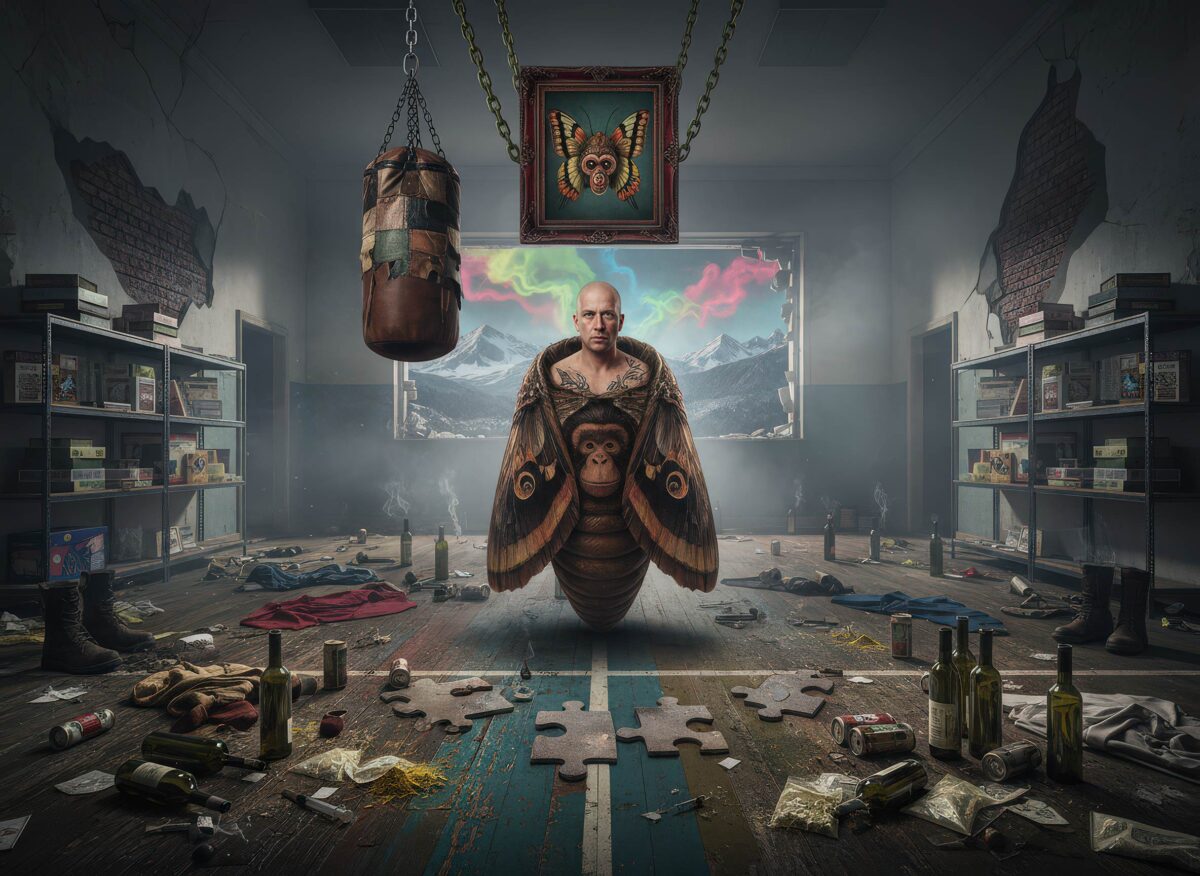
- The Broken Jigsaw - March 12, 2026
- The Residue Of Shame - March 12, 2026