

The Broken Jigsaw
March 12, 2026
Addiction news
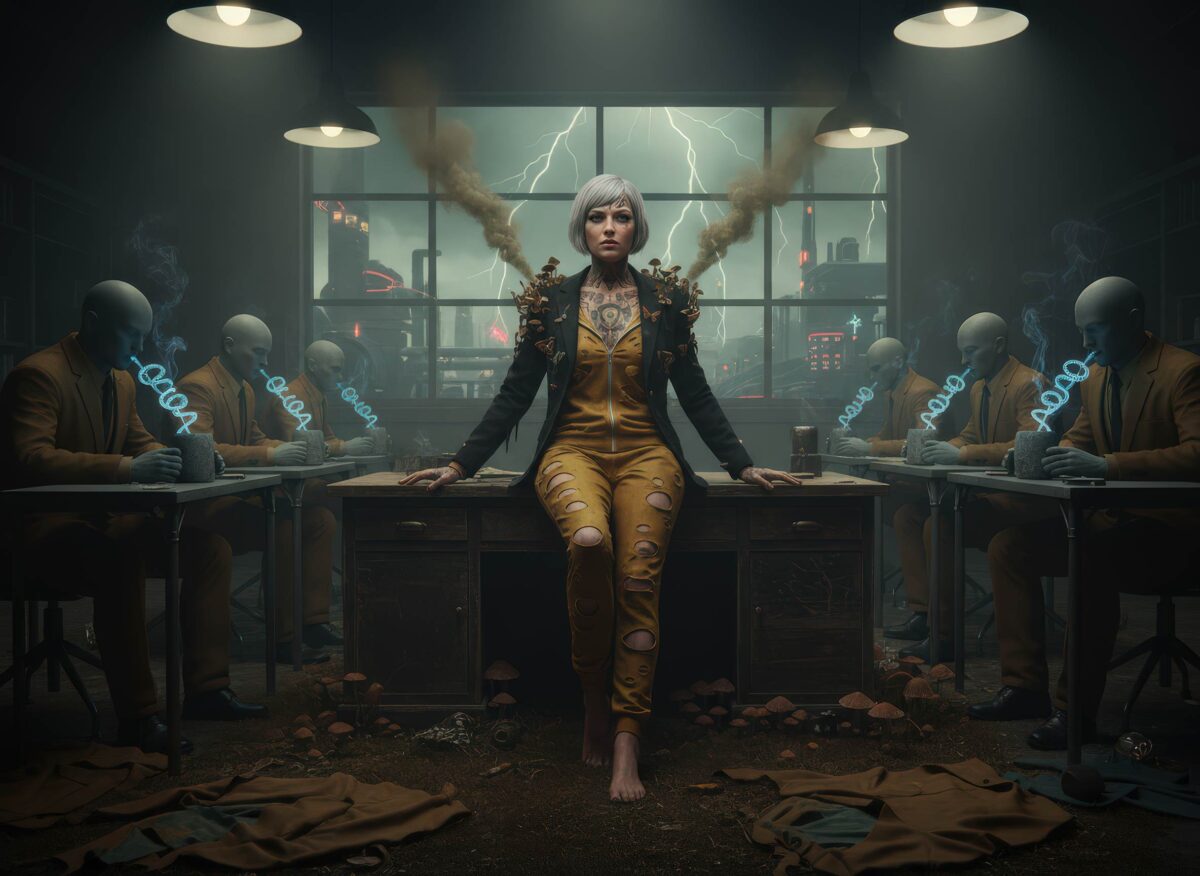
The ‘work’ of an ‘Afflicted Addict’ may be no different to say the work of a ‘Committed Finance Professional’ and of course the two career’s can certainly overlap anyway.
Where Will The Monkey Go Now?
Russell Trotter Steedman
09.30 GMT Thursday, 12 March 2026
I
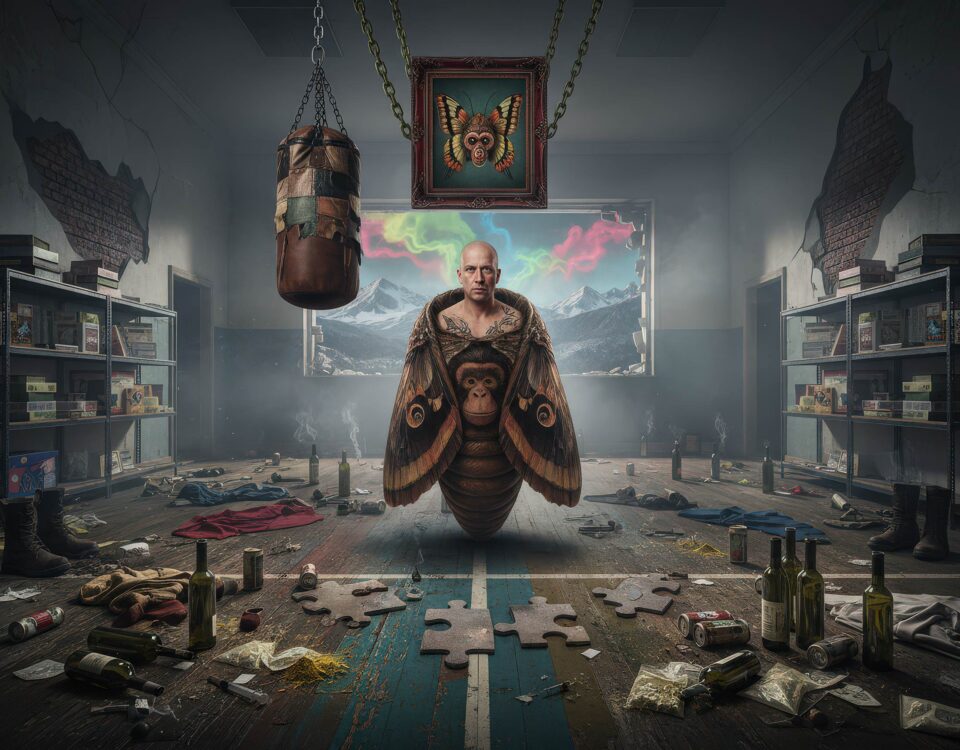
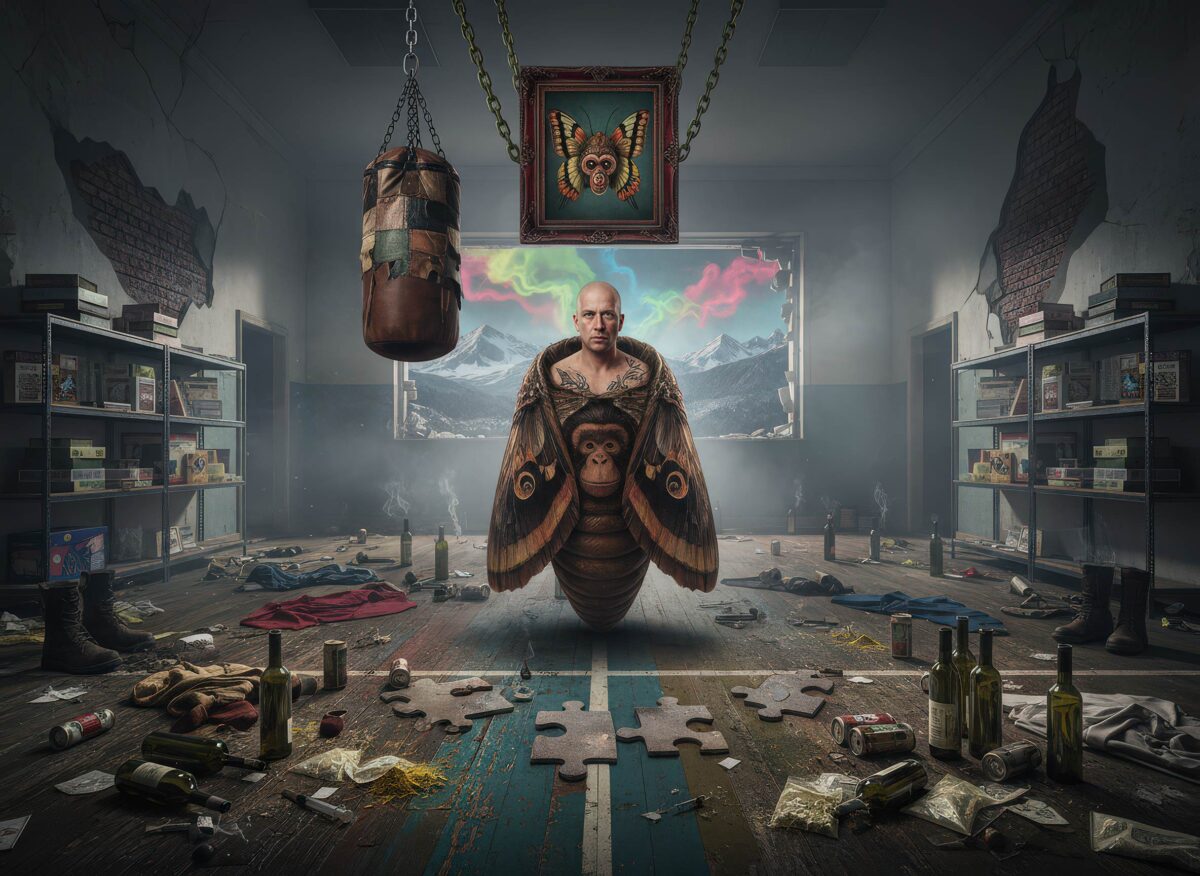
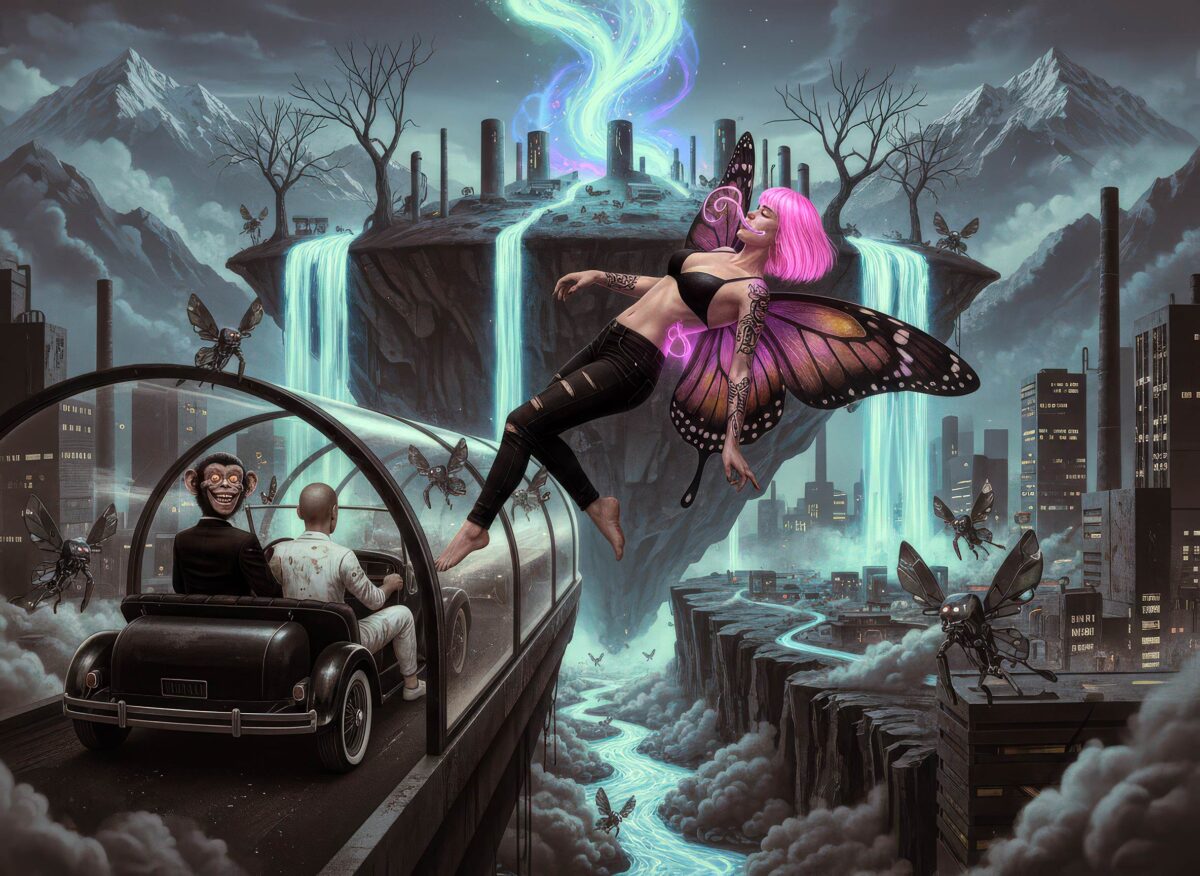
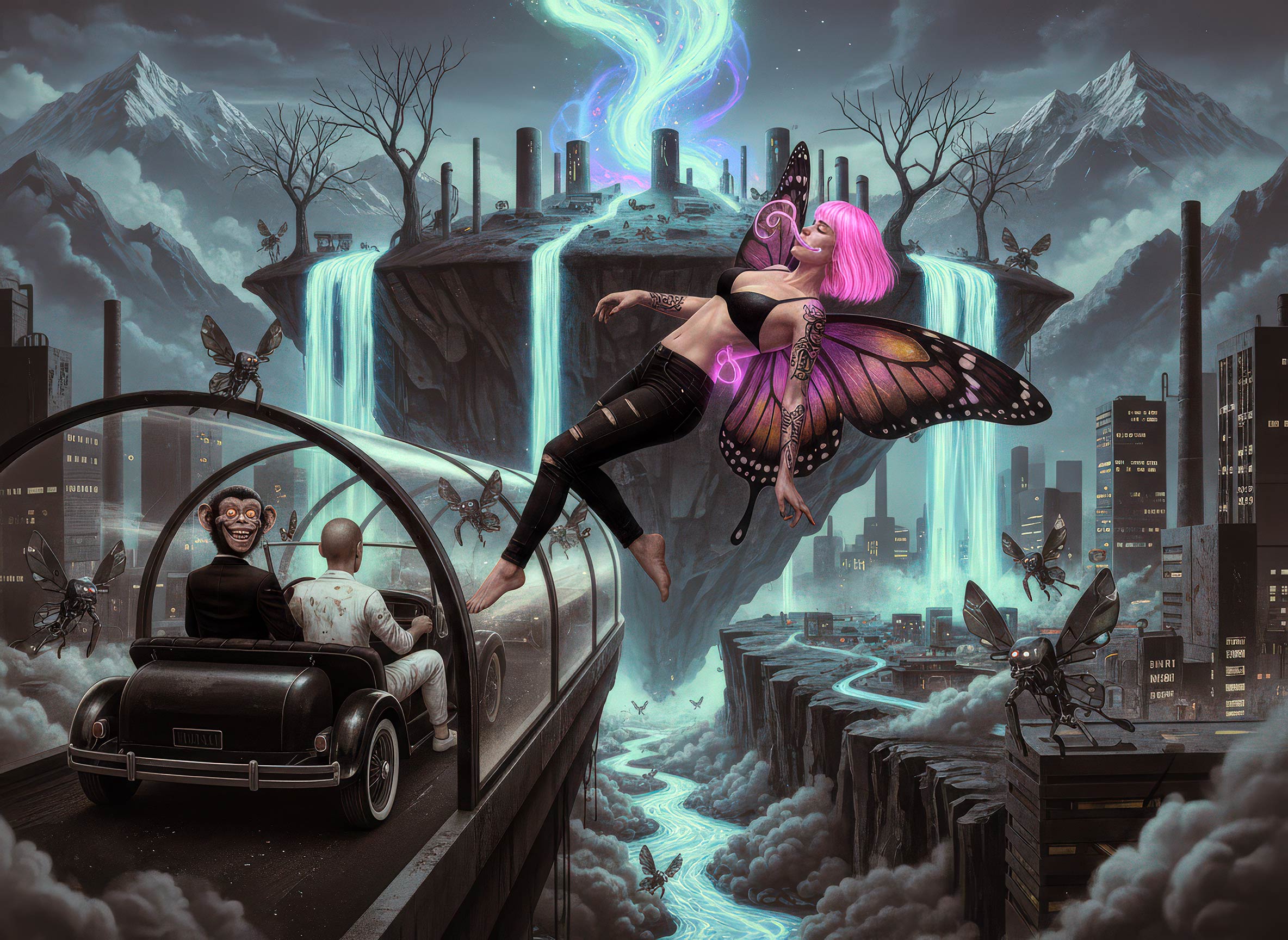
n the final chapter of The Monkey In The Tunnel: 10 Stories About Active Addiction all of the characters appear in one place to determine the outcome of the tale. The central characters apart from The Monkey and Mio (based on myself) of Nova-Jean and Doctor Filippa adopt a more action-based role as the story culminates in the realisation of The Doctor’s ‘life work’ and The Monkey - ‘The Addiction Monkey’ to be more specific - is forced to perhaps (without giving too much away) contemplate if he must leave the parallel he finds himself in or fight to stay where he is.
Metaphorically of course the battle itself is an allegory for the battle within any addict or compulsive-acting person.
An animal-form is excused from this eternal battle of wills which is also partly why animals and the animal-form of all the main characters is written into the story itself from the outset.
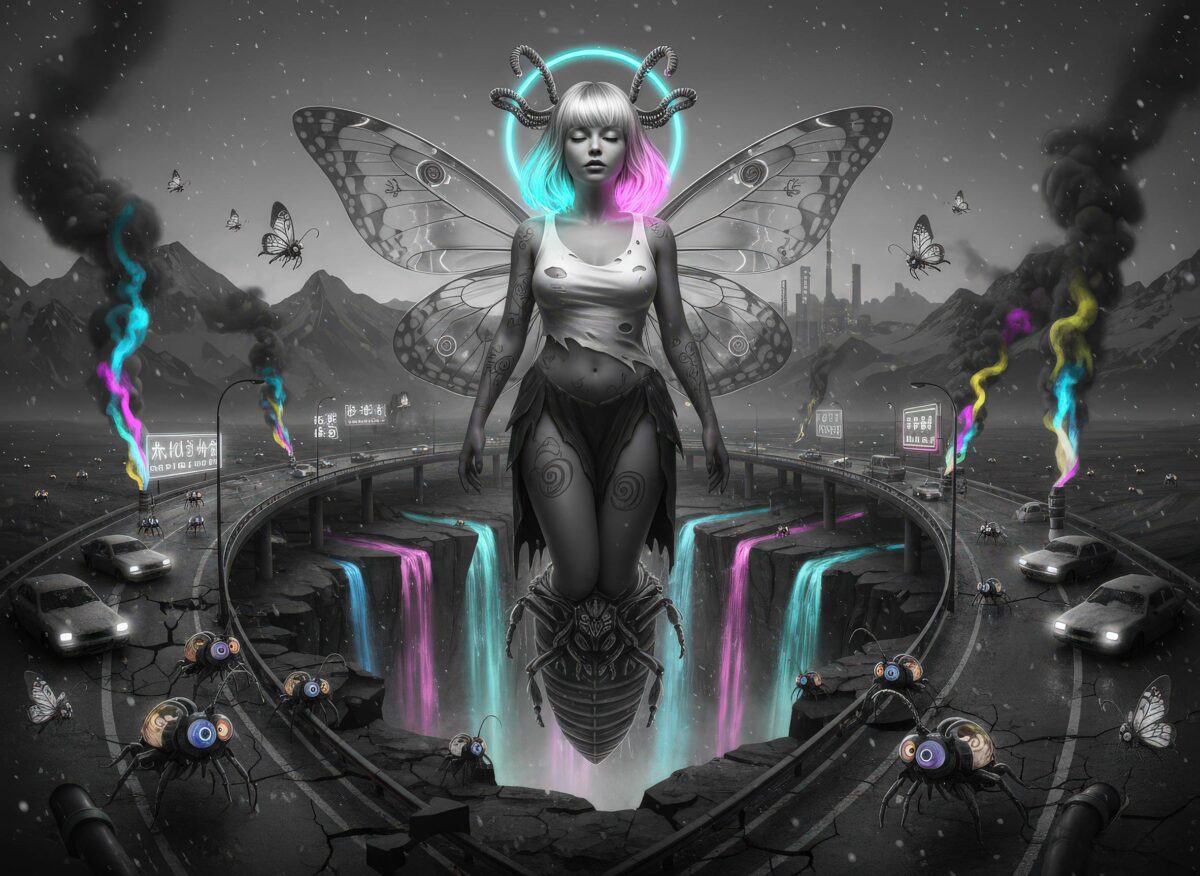
Mio himself, or ‘myself’, is also The Monkey whereas Nova-Jean is a ‘Lazy Art Student’ and also emerges as nothing less than ‘The Goddess Of Sobriety’.
Removing addiction from every living soul on Earth, or in The Wet World where the story takes place, is of course not a task for a ‘Lazy Person’ at all and it is revealed that the accomplishment of the grand feat may be related to what we perhaps ‘don’t do’ just as much as what we ‘do, do’.
In this way the concept of ‘will’ which is a constant theme throughout the novel is called into question as addiction and compulsion are translated into a discussion, through fictional prose, about what exactly constitutes effort and energy.
The ‘work’ of an ‘Afflicted Addict’ may be no different to say the work of a ‘Committed Finance Professional’ and of course the two career’s can certainly overlap anyway.
Quite often the ‘veneer’ or ‘presentation’ given by an ‘Addict’ or, for that matter a ‘Non-Addict’ may betray the real, underlying truth of the matter.
Without resorting necessarily to calling addiction a ‘spectrum’ there is an inference in the book that everyone is capable of either staying stuck and trapped in an inflexible way of thinking and acting whilst we are all blessed to some extent or another with the ability to float freely throughout our lives.
Some contemporary ‘characters’ from real-life are infused into the story such as the now Andrew Mountbatten-Windsor who is termed ‘The no-Noble’ and P Diddy, in the story called ‘The Freakrapper’ to supply the other two parallels.
The Monkey himself is one and ‘Alma The Airwoman’ from Story 4: The Plane Is Going To Crash But First We Get To See a Close-up Of a Mountain is the other.
It becomes a question in the progression of the tale which parallel Nova-Jean, perhaps the hero and overall central character of the piece resides in or, if she in fact comes from her own parallel.
As the story comes to a climax the other main, and perhaps ‘rogue’ character of ‘Johnny’ who is an alien from a different parallel also - the story begins to question the actual number of parallels which could be as much as six - has now escaped from the secure facility in the depths of The Fabrik Zone and the other human or sometimes human-animal characters have congregated on The Tor, the epic, snow-covered mountain at the heart of Wet City.
Johnny has now become a ‘lure; for The Monkey and the target for Nova-Jean is to capture Monkey and send him off to his own parallel again and free the Wet World from addiction.
Of course, this aim is somewhat realistic.
Or is it?
Much of The Monkey In The Tunnel is at heart, in terms of me as the writer of the piece’s own view, about a return to innocence.
This theme is directly addressed in Story 2: The Girl Who Looked The Starving Tiger In His Eye when ‘Claudia The Sad Junkie’ contemplates her own free-flowing early life growing up in Damp Town in an environment free from such narcotic or ‘at all’ compulsive-behavioural constructs.
Claudia, like me, as the author himself recalls days playing in the fields building shelters and manufacturing weapons from twigs to defend them and suchlike.
In many ways the entire book is a love story to lost innocence as I said and the quest for this type of ‘true living’ even after decades, perhaps not ‘lost to addiction’ but caught up in the ‘experience of addiction’ which can direct us in pathways unrelated to our true selves.
The series of ‘alien-world parallels’ themselves become, perhaps a strong (hopefully) metaphor for ‘finding our way back to ourselves’ and the concluding chapter offers an action-orientated view of how this might be achieved.
In the story is a perhaps, at least slightly self-deprecating nod to all of the obvious ‘borrowings’ in the book from popular culture such as say, ‘keeping freaks in basements’ (many TV shows I would say!) and, in Story 3 about the epic swim, perhaps a novel such as Moby Dick.
Perhaps though all of us are simply ‘clones’ and ‘copies’ of very similar ‘types from the past’ and our job on this Earth really is to try to break the negative cycles and put the fires out whilst freeing our time from the somewhat predictable, almost view that, in order to be accepted and ‘enjoy life’ we must embark on certain types of pastimes and supposed-pleasures at ‘First Awareness’ without questioning the potential outcome as opposed to if we were never to encounter the substance or behaviour opportunity at all in the first place.
In this way the novel is a self-empowering ode to the author - me’s - own sense of rediscovering energy to ‘be awakened once again’ and ‘make the most of the moments we are given’, perhaps occluded and coated with the veneer or indeed ‘fabric’ of some sort of ethereal fake pleasure which, deep down we know other, alternative societies are blessed with never becoming stuck to in the beginning.
The book therefore attempts to traverse the genesis of addiction of addiction and compulsion from an experiential perspective and addresses the reversal ‘out of the tunnel’ in an anti-evolutionary sense.
After all ‘sudden quitting’ from addiction rarely if ever succeeds.
It is a long, slow process like the first story presents with Mio / Me trapped in a long car tunnel and unable to control the flow in or out until outside circumstances are dealt with and controlled.
There is far more to it all and that is contained within the book itself since addiction and compulsion are certainly, to me anyway, very ‘grand’ topics requiring relentless introspection, study and an adherence to actually wanting to recover and reawaken our innocent lost selves in the first instance.
At the end of the novel the relationship between the ‘Sober Goddess’, Nova-Jean and the depraved, deranged ‘Addiction Monkey’, who is me essentially becomes a rather purposefully twee and lustful embrace between the parallel states of extreme intoxication and insanity combined with the purity, beauty and perhaps ‘boredom’ in sense of how we must conduct ourselves in early sobriety when our mind states still seek out the ‘dopamine floods’ caused in us by active addiction or extreme and negative compulsive behaviours.
Ultimately story is intended as a wake-up call to forget the sticky anxiety and false sense that we have learned that enjoyment of life comes from out with, again an entirely unoriginal concept when contrasted and influenced by, perhaps mainly ‘Eastern’, religious views and narratives and the story of The Monkey In the Tunnel becomes a self-aware, almost concession to many iterations on the theme of spirituality, science-fiction and the battle to overcome human addiction and compulsion.
In the end the impulse to create and destroy ‘exists either way’ and, for me the novel is at heart simply ‘a choice’ between it or using drugs and engaging in behaviours which harm myself and create in me a self-confessed useless and mainly, self-centred member of society.
As Morrissey the great signer / songwriter and one of my main inspirations for many decades once said his own art and work is a basic choice between it or him going to prison.
Without him elaborating further on that theme, brilliantly so as this requires our own thoughts on his meaning, it would seem that creative energy, anxiety and depression and addiction function hand in-hand in many humans, if not all.
In the final scene of The Monkey In The Tunnel Nova-Jean and Monkey are united as one in a certain type of way that reading the book can reveal and my view is the energy directed at active addiction can, not easily at all, but in theory and, importantly, in practice be tweaked to allow us to engage in creation as oppose dog destruction and a reversal out of the tunnel can be manifested in all of us whether addiction and life energy erupts chaotically (my own view) or is expressed by linear adherence to moral pathways which we can understand and relate to based on our own experiences throughout our lives.
Our ‘Higher Power’ is, to my own mind, simply the choice between creation and destruction as we ourselves see it.

Russell Trotter Steedman
Latest posts by Russell Trotter Steedman (see all)
- The Monkey In The Next Tunnel - March 12, 2026
- The Broken Jigsaw - March 12, 2026
- The Residue Of Shame - March 12, 2026